
 Sylvia Melena
I have seen my fair share of managers and supervisors struggling with accountability.
Some have been too harsh, others too lenient, and yet others completely disengaged. While this hasn’t been true for every leader, one case of accountability gone wrong is enough to derail the organization’s success.
The Supportive Accountability Leadership™ Model
The Supportive Accountability Leadership™ Model is a simple yet powerful framework that has helped thousands of leaders around the world engage employees and improve performance. At the core of the model is supportive accountability, a blend of supportive leadership and strong accountability that sparks and improves employee performance.
Who Created the Supportive Accountability Leadership™ Model?
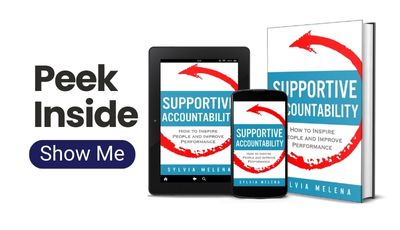
Hi! I’m Sylvia Melena, the creator of the Supportive Accountability Leadership Model. I unveiled the model in 2018, when I wrote and published my international award-winning and best-selling leadership book, Supportive Accountability: How to Inspire People and Improve Performance. And in 2023, I released the Spanish translation, Responsabilidad solidaria: Cómo mejorar el rendimiento laboral por medio del apoyo.
The Four Leadership Styles of Supportive Accountability™
Supportive Accountability Leadership frames performance management using four leadership styles, based on how well leaders strike a balance between supportiveness and accountability.
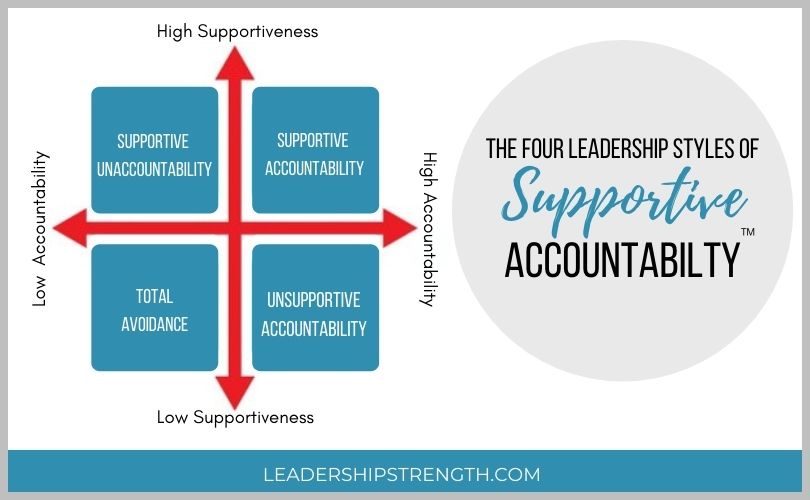
However, my focus throughout the book and my leadership development business is solely on supportive accountability and how leaders can use this balanced leadership approach to engage employees and promote strong individual, team, and organizational performance.
Seven Elements of Effective Performance Management
The Supportive Accountability Leadership Model has helped thousands of leaders navigate the employee performance management process using the seven elements of effective performance management: expectations, monitoring, feedback, support, recognition, accountability, and documentation.
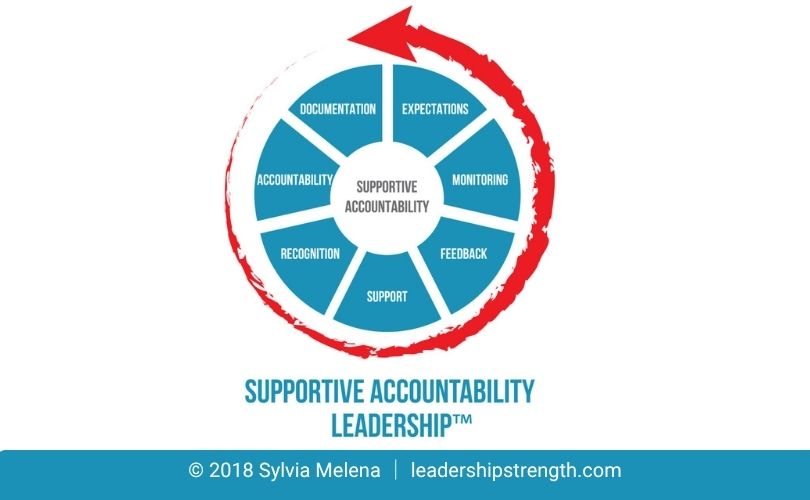
Leaders can use these elements to ignite performance for all employees, not just for those who are struggling. Effective supportive accountability benefits all employees and keeps your organization at the top of its game.
A Supportive Approach to Progressive Discipline
To help leaders with employees who continue to struggle, despite a significant investment of their time, energy, and support, the model provides a supportive approach to progressive discipline.
This isn’t a cookie-cutter approach.
Effective progressive discipline requires skill, sound judgment, and the support of the direct manager, senior leaders, and human resources. However, the book Supportive Accountability provides an overview of progressive discipline, the levels involved, and how the process works.
Each organization has its specific policies, procedures, and philosophy regarding progressive discipline. Therefore, leaders should consult key people within their organizations to ensure that their strategies and tactics align with company policies, procedures, and protocols.
The Results of Supportive Progressive Discipline
With supportive accountability, your leaders can achieve one of three outcomes when it comes to using supportive progressive discipline:
Outcome #1 – They can help the employee turn around substandard performance and achieve success. This is the ultimate goal of Supportive Accountability Leadership and the most rewarding of the three outcomes.
Outcome #2 – The employee discovers that the job isn’t a good fit and embraces a new role where he or she can succeed. This is a “win-win-win” for the leader, team members, and the organization. And these three wins translate into the most important win of all: excellent customer or client service.
Outcome #3 – The employee continues to underperform despite supportive interventions and is removed from the position. This isn’t the goal, but it’s sometimes necessary so that the leader, the team, and the organization can achieve success. And success is about the people your leaders were hired to serve—employees, customers, organizational leadership, and other stakeholders.
If your leadership team members are uncomfortable with outcome number three, they’re not alone. Many leaders struggle with disciplinary action.
And let’s face it.
Discipline isn’t the fun part of a leader’s job.
However, when people choose to take on leadership roles, it becomes an essential part of their success. It’s a necessary element of effective performance management. And, with the Supportive Accountability Leadership Model, it’s not punitive.
Employee Performance Documentation Made Easier
And then there’s that dreaded documentation. It’s draining and time-consuming, but necessary. The Supportive Accountability Leadership Model shows leaders how to lighten the burden of documenting performance. The book provides documentation examples, tips, and templates that leaders can use as is or customize to meet their needs. However, these resources will never trump the guidance they must seek from your organization’s designated experts.
A Strong Supervisor-Employee Relationship
However, in the bigger scheme of things, none of these things matter if your leaders don’t focus their energies on the most crucial factor for unleashing performance excellence: a strong supervisor-employee relationship.
A solid and healthy supervisor-employee relationship is the foundation of the Supportive Accountability Leadership Model. All the rest will be to no avail if they don’t get this right.
The immediate supervisor, regardless of their role or title, can make or break the workplace in the eyes of employees. Thus, the Supportive Accountability Leadership Program, from beginning to end, focuses on how your leaders can cultivate a strong supervisor-employee relationship.
Supportive Accountability Leadership isn’t just for turning around substandard performance. It’s the bedrock of performance excellence. It can also help employees who are doing well to take their performance to higher levels.
Conclusion
Whether your leaders want to jump-start performance for their new employees, transform satisfactory performance into performance excellence, or turn around lackluster performance, Supportive Accountability Leadership provides them with a firm foundation for immediate and long-lasting success.
About the Author
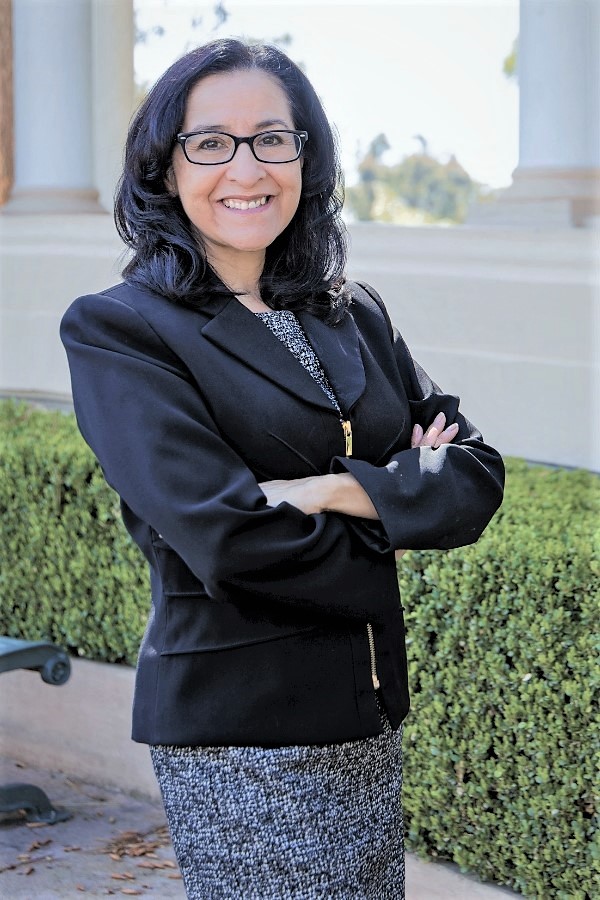
SYLVIA MELENA is the Principal of Melena Consulting Group, a leadership and organizational development company. She is also the international award-winning and best-selling author of Supportive Accountability: How to Inspire People and Improve Performance and the creator of the Supportive Accountability Leadership™ Model.
Develop Strong & Supportive Leaders